
Thermoregulation
Organisms maintain body temperature within boundaries via homeostasis.

OpenStax College · CC BY 3.0
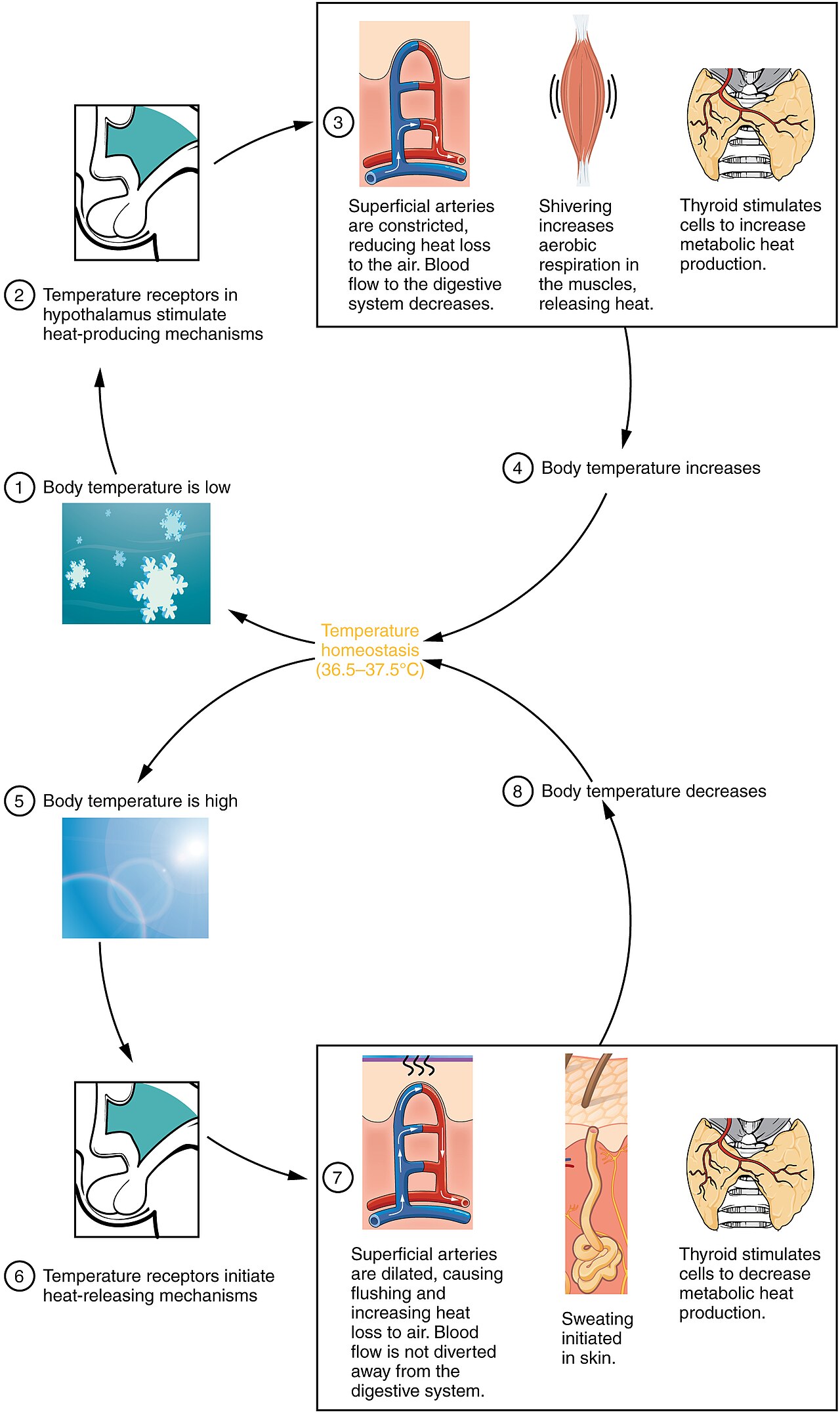
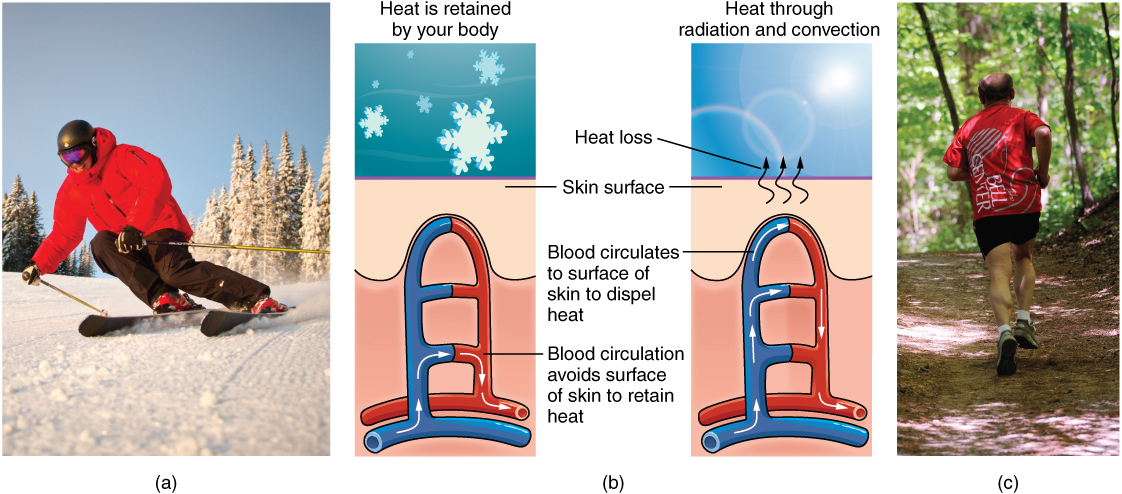
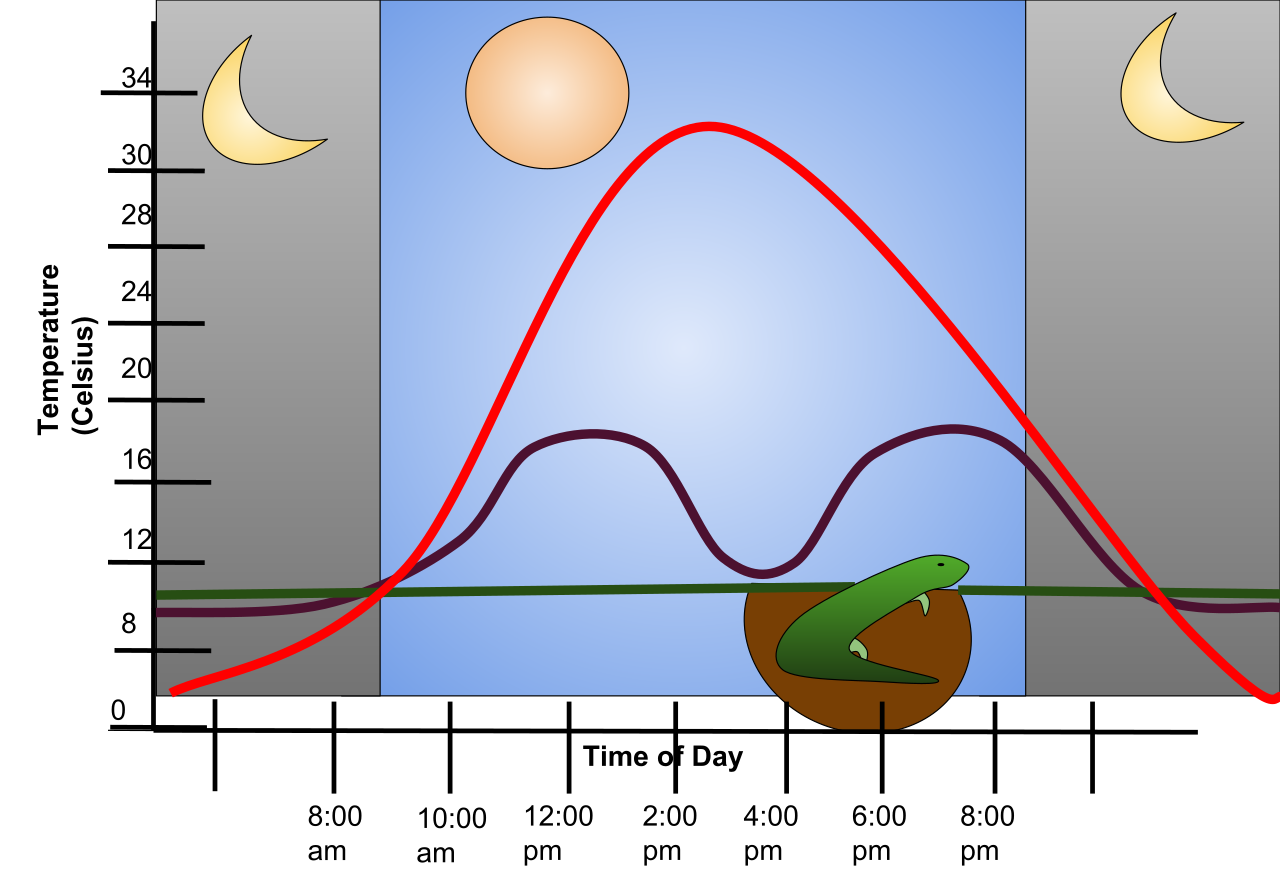
Thermoregulation is the ability of an organism to keep its body temperature within certain boundaries, even when the surrounding temperature is very different. This process is one aspect of homeostasis, a state of dynamic stability in an organism's internal conditions maintained far from thermal equilibrium with its environment. The study of such processes in zoology has been called physiological ecology.
- field
- Physiological ecology
- known_for
- Homeostatic control of body temperature through endothermy and ectothermy
Lore & Background
Thermoregulation in both ectotherms and endotherms is primarily controlled by the preoptic area of the anterior hypothalamus. In rats, neurons in this area that express the prostaglandin E receptor 3 play a crucial role in regulating body temperature. Some animals undergo dormancy where thermoregulation temporarily allows body temperature to drop, conserving energy, such as hibernating bears and torpor in bats.
Reader's Guide
Thermoregulation is a fundamental concept in physiological ecology, describing how organisms maintain internal temperature despite environmental variation. The distinction between endothermy and ectothermy has shaped understanding of animal physiology and adaptation. Endotherms, such as mammals and birds, generate heat metabolically and maintain constant body temperatures, while ectotherms rely on external sources and behavioral mechanisms like sunbathing or seeking shade. The discovery that humans experience uncompensable heat stress at wet-bulb temperatures above 30.55 °C, and lethal hyperthermia above 35 °C for six hours, has implications for climate change and public health. The role of the preoptic area of the hypothalamus in thermoregulation highlights the neural basis of homeostasis. Understanding thermoregulation also informs treatments for hypothermia and hyperthermia, and explains adaptations like blubber in marine mammals, panting in dogs, and antifreeze proteins in fish. The concept remains central to biology, medicine, and environmental science.
Did You Know?
- Humans may experience lethal hyperthermia when the wet bulb temperature is sustained above 35 °C for six hours.
- The rectum has traditionally been considered to reflect most accurately the temperature of internal parts.
- Some fish use natural antifreeze or antifreeze proteins to resist ice crystal formation in their tissues.
Gallery

Frequently Asked Questions
Who is Thermoregulation?
Thermoregulation is the biological process by which an organism actively holds its internal body temperature within a narrow range, no matter how extreme the external environment becomes. It operates as a key pillar of homeostasis, preserving internal stability even when the organism is far from thermal equilibrium with its surroundings.
What are Thermoregulation's powers or role?
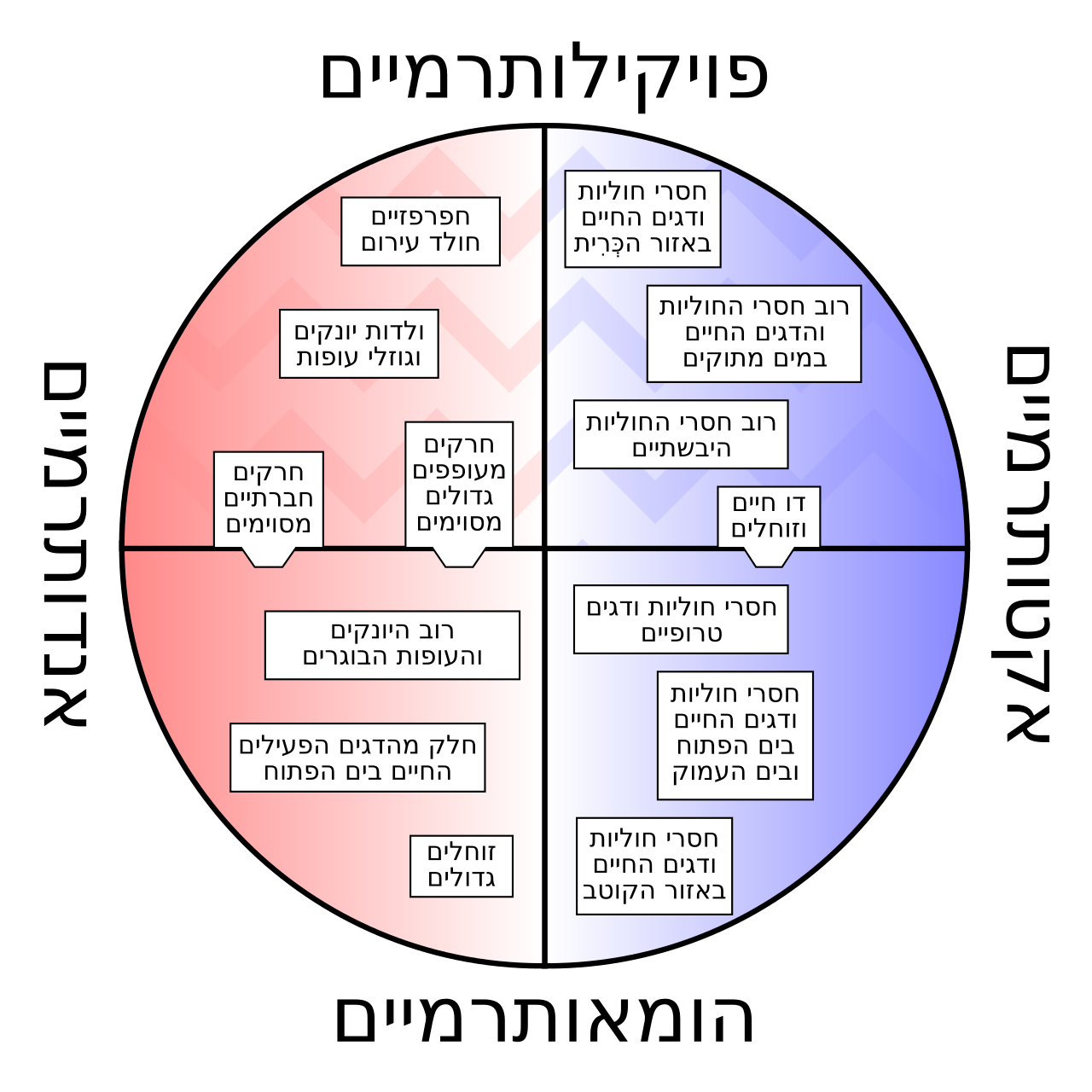
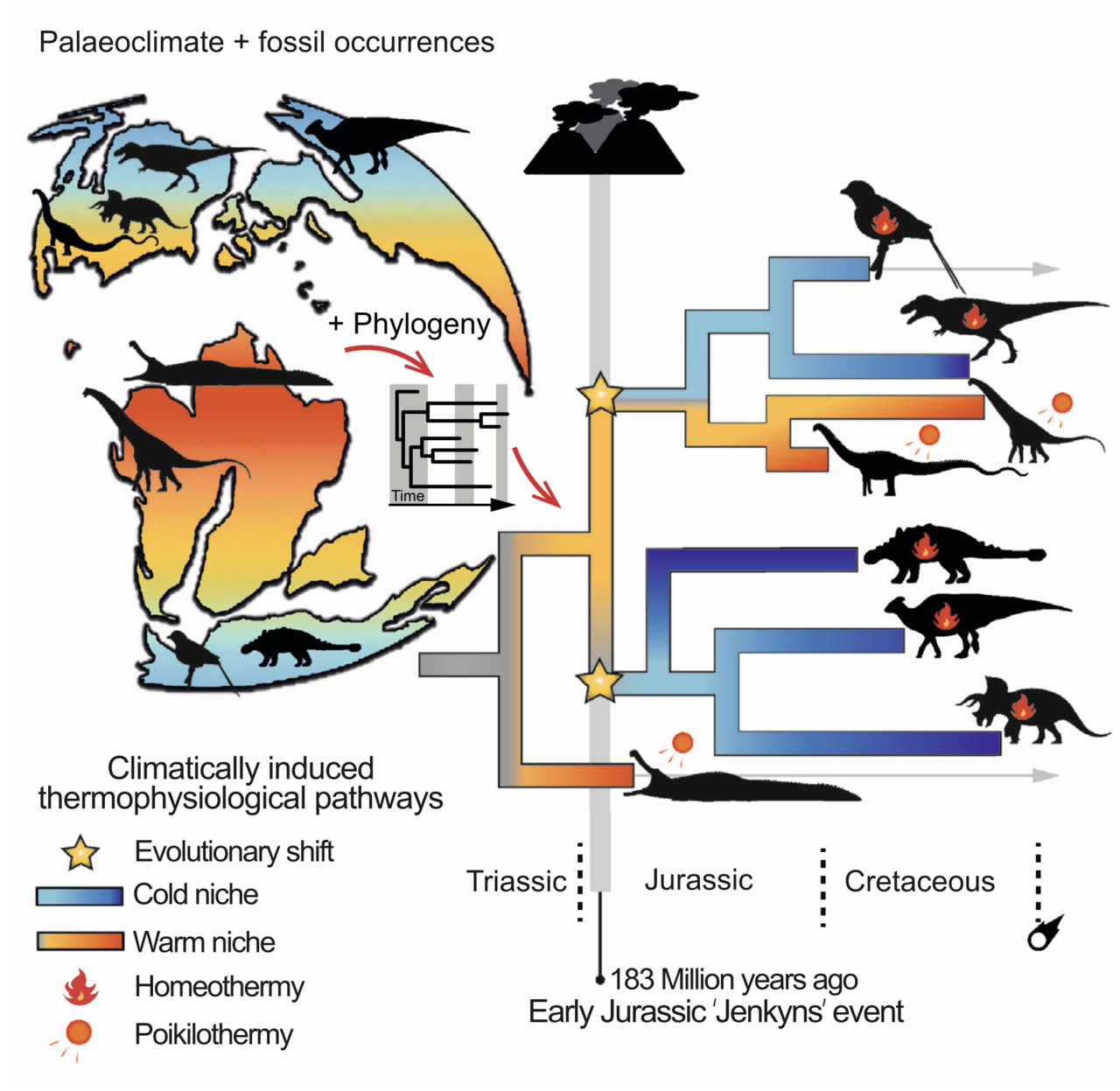
Its two signature strategies are endothermy and ectothermy, representing the main ways organisms govern their core temperature. Endotherms generate metabolic heat internally, while ectotherms draw on environmental warmth, yet both fall under Thermoregulation's overarching homeostatic control.
What field does Thermoregulation belong to?
The zoological study of thermoregulatory mechanisms is classified under physiological ecology. This branch of biology focuses on how animals balance their internal thermal set-points against constantly shifting external conditions.
How does Thermoregulation work in practice?
An organism's physiological systems continuously modulate heat production and heat dissipation to keep core temperature inside a defined boundary. This ongoing, dynamic adjustment is what separates true thermoregulation from merely drifting toward thermal equilibrium with the environment.
Why is Thermoregulation important?
Without it, an organism's internal chemistry would simply track ambient temperature, disrupting enzyme activity and essential cellular processes. It therefore stands as a cornerstone of homeostasis, the broader state of dynamic internal stability that sustains life.
More in Physiology & Medicine 1-19
Spotted an error? Know more?
This is a living reference — every entry is fact-audited, and reader corrections feed straight into our audit queue. Suggest an edit · See this site's audit record