Acne
Common skin condition involving clogged follicles, often causing scarring and psychological distress.

Wikimedia Commons · CC BY 4.0
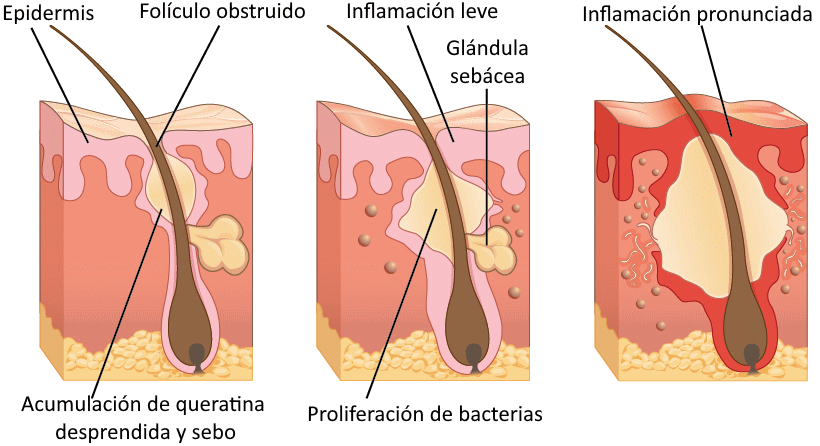
Acne, also known as acne vulgaris, is a long-term skin condition that occurs when dead skin cells and sebum clog hair follicles. It primarily affects skin with a high number of oil glands, including the face, upper chest, and back, and can lead to psychological effects such as anxiety, reduced self-esteem, and in extreme cases, depression or thoughts of suicide.
- classification
- Six main types: blackheads, whiteheads, papules, pustules, nodules, and cysts
- common age group
- Adolescence; affects 80–90% of teenagers in the Western world
- primary cause
- Genetic in 80% of cases; androgens and Cutibacterium acnes growth involved
- most effective medication
- Isotretinoin
- scarring prevalence
- Estimated to affect 95% of people with acne vulgaris
Lore & Background
Acne vulgaris is characterized by blackheads, whiteheads, papules, pustules, nodules, and cysts, with severity classified as mild, moderate, or severe. The condition results from clogged hair follicles due to dead skin cells and sebum, with androgens increasing sebum production and the bacterium Cutibacterium acnes playing a role. Genetics account for 81% of variation in the population, while diet, smoking, cleanliness, and sunlight have unclear or no association.
Reader's Guide
It commonly occurs in adolescence, with 80–90% of teenagers in the Western world affected, though it can persist into adulthood. Treatments include lifestyle changes, topical agents (azelaic acid, benzoyl peroxide, salicylic acid), antibiotics, retinoids, birth control pills for women, and isotretinoin for severe cases. Early and aggressive treatment is advocated to reduce long-term impact. Acne scars affect 95% of those with the condition, with atrophic scars being most common. Postinflammatory hyperpigmentation can occur, especially in darker skin, and may be managed with sunscreen and whitening agents.
Did You Know?
- Acne inversa and acne rosacea are not forms of acne; they refer to hidradenitis suppurativa and rosacea, respectively.
- Large nodules were previously called cysts, but the term severe nodular acne is now preferred.
- Acne does not develop in individuals with complete androgen insensitivity syndrome or Laron syndrome.
The Biology Behind the Blemish
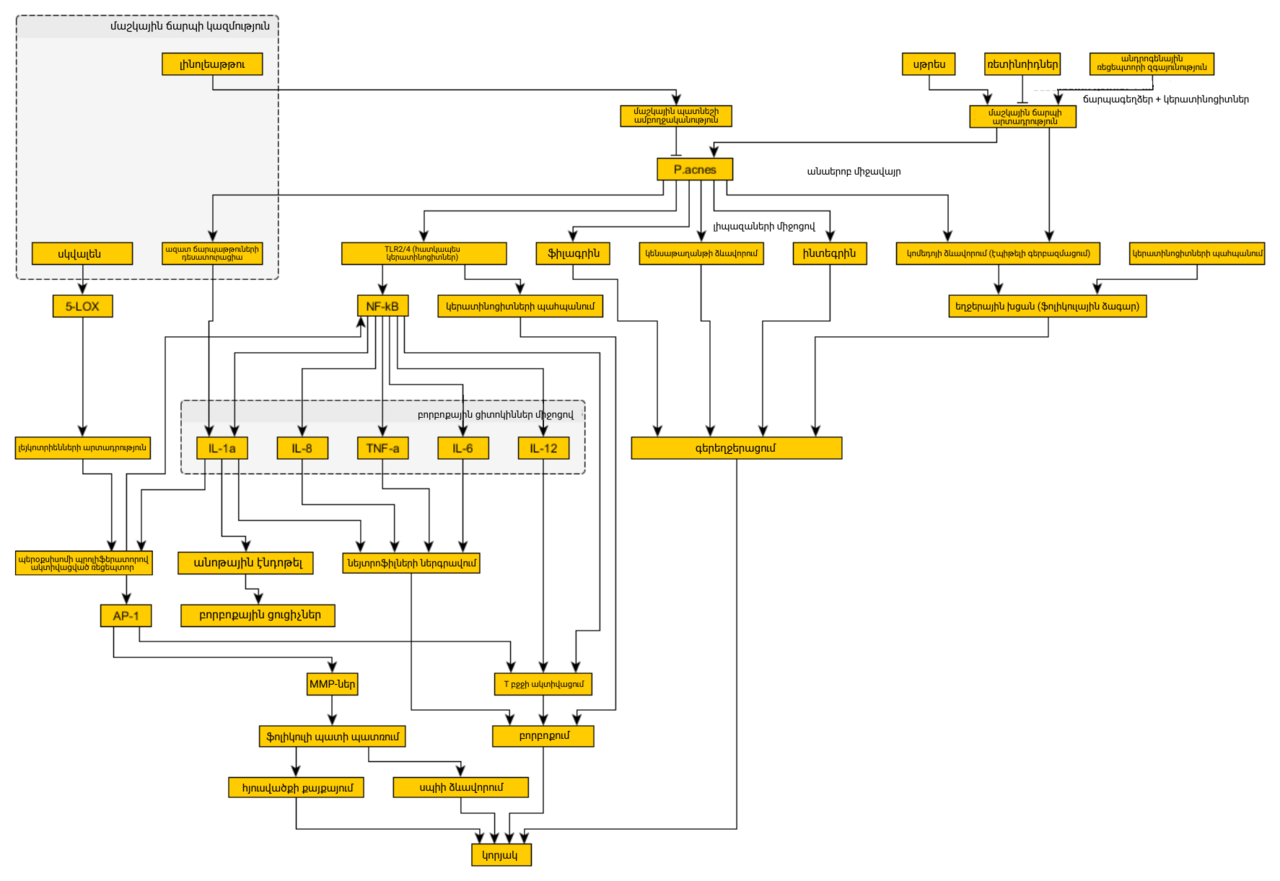
Acne vulgaris is fundamentally a plumbing problem of the skin. When dead skin cells and the oily substance called sebum accumulate inside hair follicles, they create a blockage that triggers the cascade of visible lesions. The condition favors areas of the body where oil glands are densely packed—primarily the face, the upper chest, and the back. Genetics plays the dominant hand: in roughly four out of five cases, a person's susceptibility is inherited. Hormones, specifically androgens, drive the mechanism in both men and women by stimulating the skin to produce excess sebum. Adding to the mix, a bacterium called Cutibacterium acnes, which naturally inhabits human skin, can proliferate beyond normal levels and worsen the inflammatory response. Interestingly, several commonly blamed factors have no proven link to the condition. Neither poor hygiene nor sun exposure has been shown to cause or aggravate acne, and the roles of diet and cigarette smoking remain scientifically unresolved. This genetic and hormonal foundation explains why the condition tends to flare during the hormonal turbulence of adolescence and can persist well beyond it.
Reading the Spectrum: Lesion Types and Severity Grading
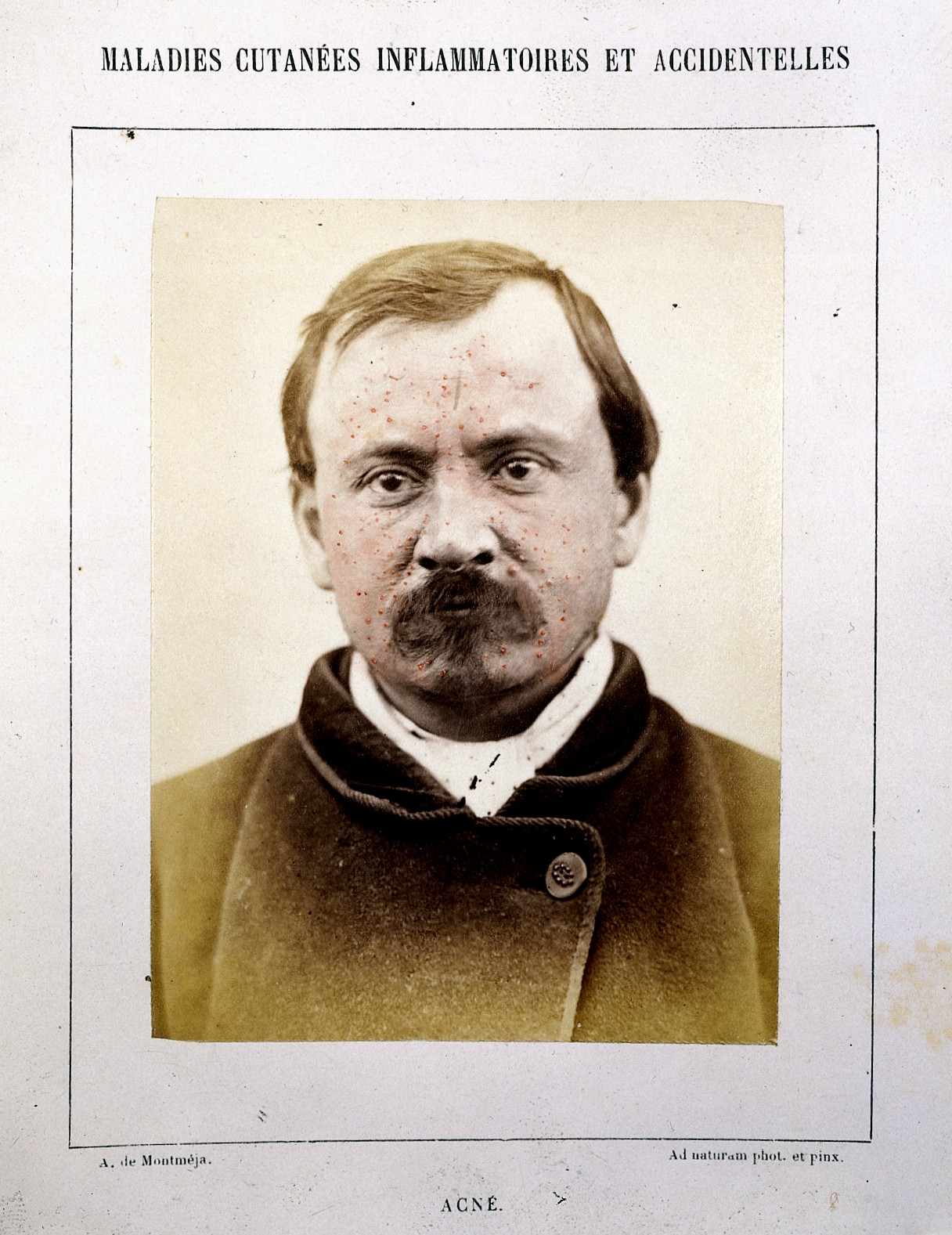
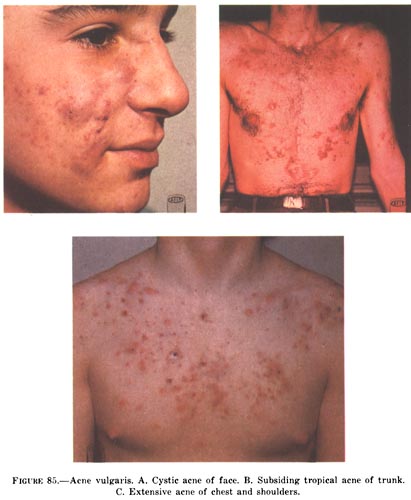
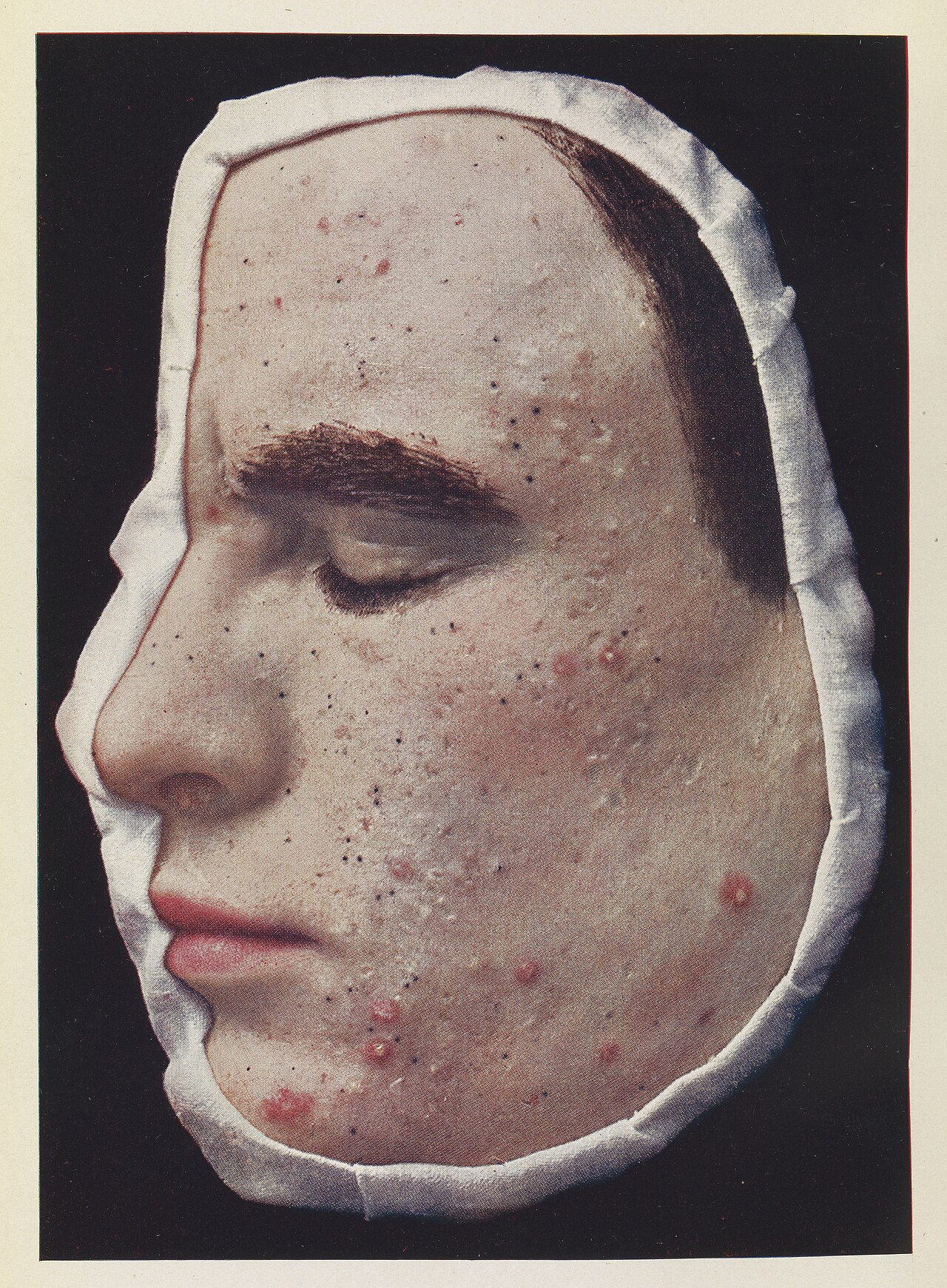
Acne presents in six distinct lesion forms: blackheads, whiteheads, papules, pustules, nodules, and cysts. In practice, a single patient's skin often displays a polymorphic mix of several of these simultaneously, making the condition visually complex and difficult to categorize at a glance. Clinicians grade severity into three tiers—mild, moderate, and severe—to guide treatment choices, though no single universally accepted grading scale exists. Mild acne is characterized by clogged follicles confined to the face, with only the occasional inflammatory bump. Moderate cases bring a greater number of inflammatory papules and pustules to the face and extend the lesions onto the trunk. Severe acne is marked by deep, painful nodules beneath the skin as the dominant facial feature, accompanied by widespread involvement of the chest and back. A common point of confusion deserves clarification: acne inversa and acne rosacea are not subtypes of acne vulgaris at all. The former is an alternate name for hidradenitis suppurativa, and the latter refers to rosacea—both are entirely separate dermatological conditions that merely share superficial similarities with true acne.
The Treatment Arsenal
The medical toolkit for acne spans lifestyle adjustments, topical and oral medications, and procedural interventions. On the topical front, azelaic acid, benzoyl peroxide, and salicylic acid are widely applied directly to affected areas to reduce inflammation and clear clogged pores. Oral and topical retinoids and antibiotics offer additional pathways, though prolonged antibiotic use carries the well-documented risk of developing bacterial resistance, a concern that limits long-term reliance on those drugs. For women, certain formulations of birth control pills have proven effective at preventing acne, likely by modulating the androgen-driven sebum production at its source. Dietary modifications, particularly reducing intake of simple carbohydrates like added sugar, may also help minimize flare-ups. Isotretinoin stands as the single most effective medication available, yet clinicians typically reserve it for severe cases because of its greater potential for side effects. A growing school of thought within the medical community advocates for early and aggressive intervention, arguing that tackling acne promptly reduces the cumulative long-term burden on a patient's skin and psychological well-being.
A Global and Personal Burden
By 2015, acne had claimed approximately 633 million people worldwide, earning its place as the eighth-most common chronic disease on the planet. In the Western world, an estimated 80 to 90 percent of teenagers will experience it, though some rural societies report noticeably lower rates than their industrialized counterparts. The condition is far from a purely adolescent phase. While it becomes less prevalent in adulthood, nearly half of those initially affected continue to battle it through their twenties and thirties, and a smaller cohort carries the struggle into their forties. The psychological toll is substantial. The visible changes to one's appearance can erode confidence, trigger anxiety, and diminish self-esteem. In the most extreme cases, the emotional weight has been linked to depression and even suicidal ideation. Scarring compounds the problem: an estimated 95 percent of people with acne vulgaris develop some form of scar, with atrophic types—ice-pick, boxcar, and rolling—accounting for roughly three-quarters of all acne scars. Postinflammatory hyperpigmentation, where healed lesions leave darkened patches, adds another layer of lasting skin change.
Gallery
Frequently Asked Questions
What is Acne?
Acne (acne vulgaris) is a chronic skin disorder triggered when dead skin cells and excess sebum block hair follicles. It most commonly appears on areas with dense oil glands, such as the face, upper chest, and back.
Who is most affected by Acne?
Acne predominantly strikes during adolescence, with estimates suggesting 80 to 90 percent of Western teenagers will experience it at some point. Beyond the physical symptoms, it can take a serious psychological toll, including anxiety, lowered self-esteem, and in severe cases, depression or suicidal ideation.
What causes Acne?
In roughly 80 percent of cases, the condition is rooted in genetics. Lesion development is driven by androgen hormones and the proliferation of Cutibacterium acnes bacteria within the clogged follicle.
What are the six main types of Acne lesions?
The condition is classified into six morphological types: blackheads, whiteheads, papules, pustules, nodules, and cysts. These range from mild surface blockages to deep, inflamed, and potentially scar-forming structures.
What is the most effective treatment for Acne?
Isotretinoin is widely regarded as the single most effective medication for severe cases. It is also worth noting that scarring is extremely common, with an estimated 95 percent of individuals with acne vulgaris developing some degree of it.
More in Physiology & Medicine 1-19
Spotted an error? Know more?
This is a living reference — every entry is fact-audited, and reader corrections feed straight into our audit queue. Suggest an edit · See this site's audit record